
If These Walls Could Talk
Milwaukee Park Lofts
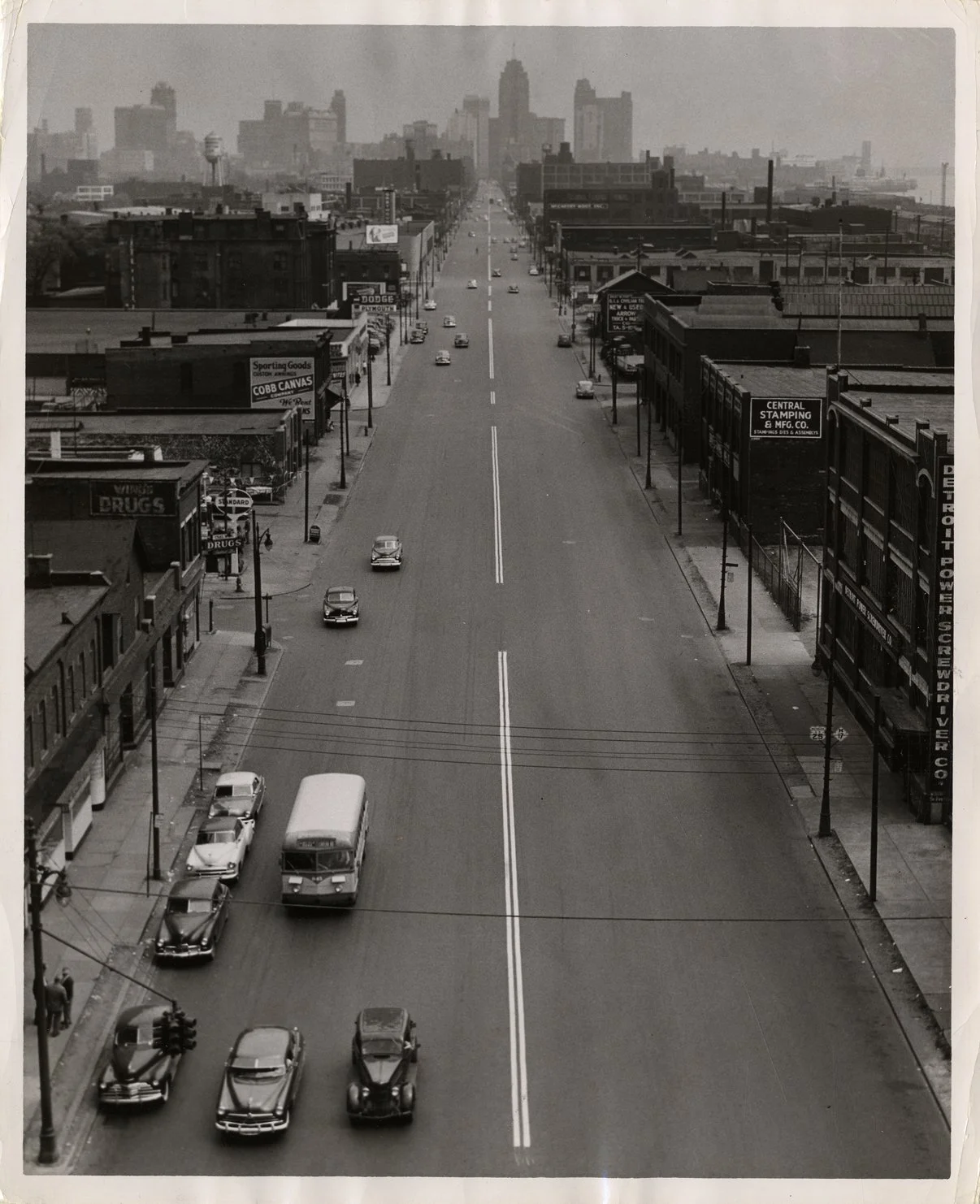
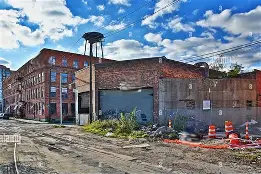
Constructed in 1916, this building was originally developed by the National Can Company, a major manufacturer of tin cans and other metal products. This facility was part of Detroit's broader industrial expansion during the early 20th century. In the 1920's, the company was acquired by the American Can Company which continued operations at this site.
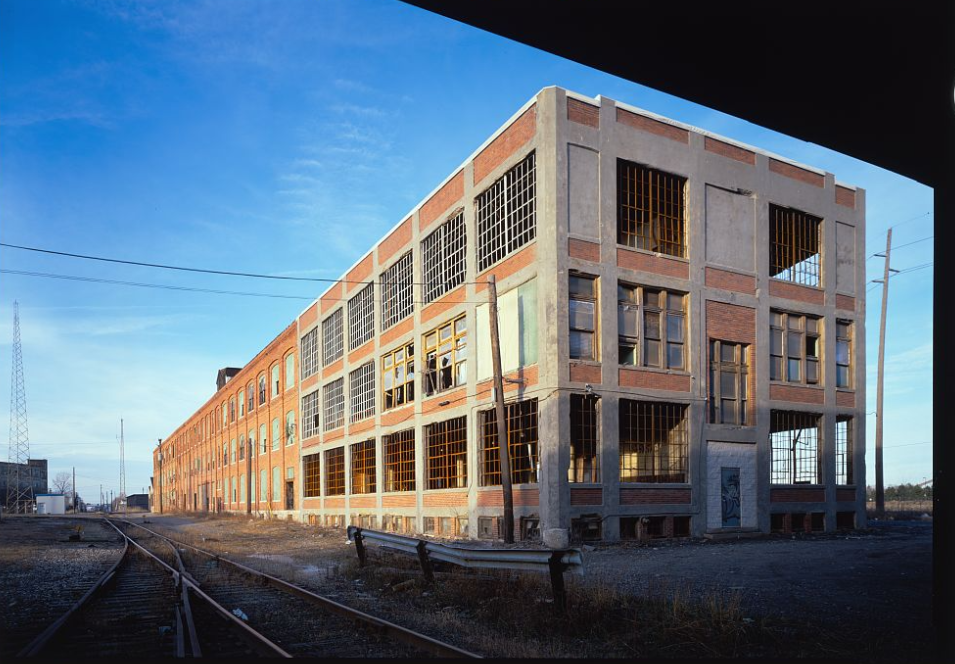
After the company vacated the 1916 brick and steel building, the site was occupied by Continental Can Company, Sears & Roebuck Company, and the George C. Wetherbee Company.
By the late 20th century, the building had ceased industrial operations. In the 2000s, it was redeveloped into Milwaukee Park Lofts. The lofts retain much of the building's original industrial character, featuring high ceilings, exposed brick walls, and large windows that flood the space with natural light.
The Universal Lofts
5805 Lincoln Detroit
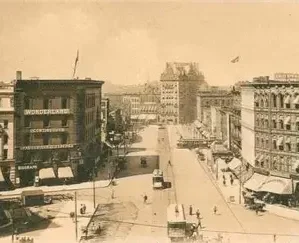
The building was originally a warehouse and district office for the Norton Company, a manufacturer of abrasives and grinding wheels, headquartered in Worcester, Massachusetts, the facility served as a final stage manufacturing and distribution center, reflecting Detroit's industrial expansion during the early 20th century. The building was originally constructed in 1925, serving as a warehouse for the nearby Ford Motor Company. Its design is characteristic of early 20th century industrial architecture, featuring large window and open floor plans to accommodate manufacturing and storage needs. The building's robust construction reflects the era's emphasis on durability and functionality.
Greektown Lofts
743 Beaubien Street, Detroit, MI 48226
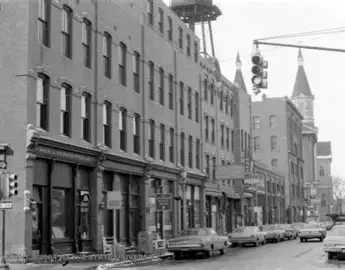
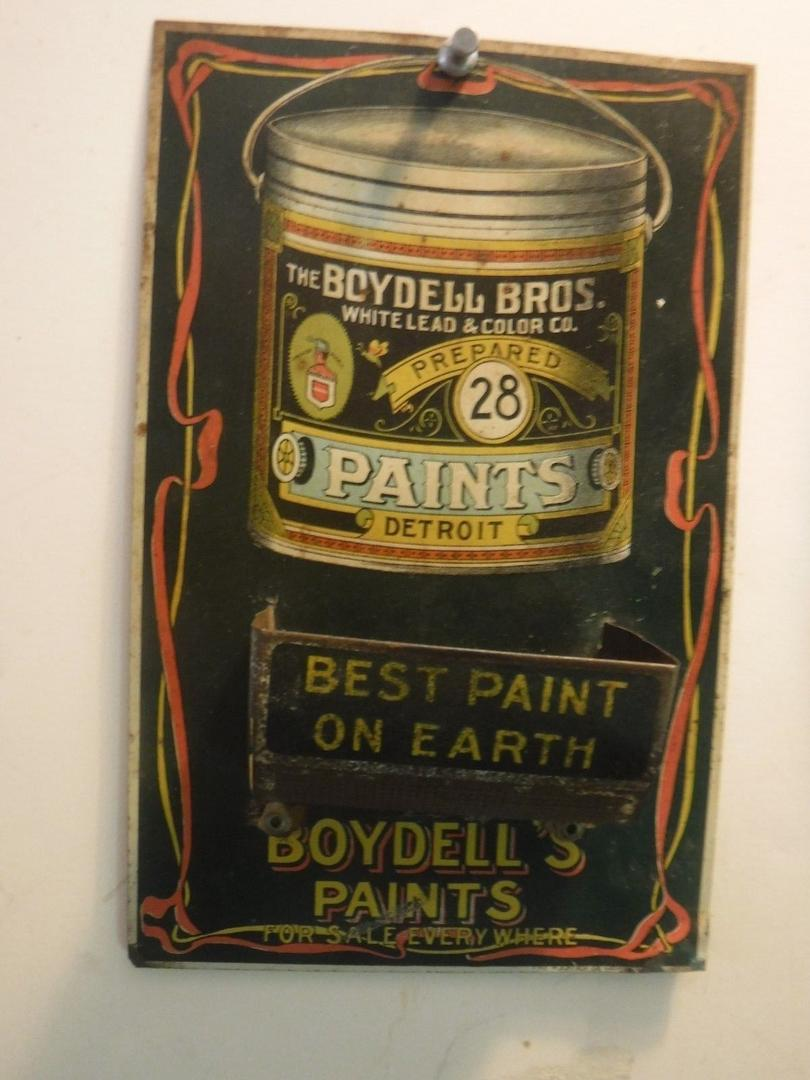
Originally constructed between 1885 and 1900, the building was home to the Boydell Brothers Paint Company, a significant industrial enterprise of its time. This period marked a phase of industrial expansion in Detroit, with numerous factories and warehouses being established to support the city's evolving manufacturing sector.
River Town Lofts
Ireland and Matthews Manufacturing Plant
227 Iron Street, Detroit
Built beginning in 1892, the Ireland and Matthews Manufacturing Plant represents Detroit’s industrial strength before the rise of the automobile. Founded in 1890 by M. B. Mills, F. T. Ducharme, Edward Bland, and David Ireland, the company initially produced saddles and plumbing supplies before shifting to chrome and brass plating. By 1905, it was supplying parts to Detroit’s growing automobile industry.
The original four-story brick building, designed by architect Harry Carew, features rectangular lower windows, arched top-floor windows, and decorative brickwork near the roofline. As the business grew, additional buildings were added between 1892 and 1909, creating a unified industrial complex. A rooftop water tower remains a visible reminder of the site’s manufacturing past.
Vehicle parts were produced here until 1983. Recognized for its strong construction, the complex was later redeveloped into condominiums, lofts, and galleries, reflecting Detroit’s ongoing transformation and the reuse of its historic industrial buildings.
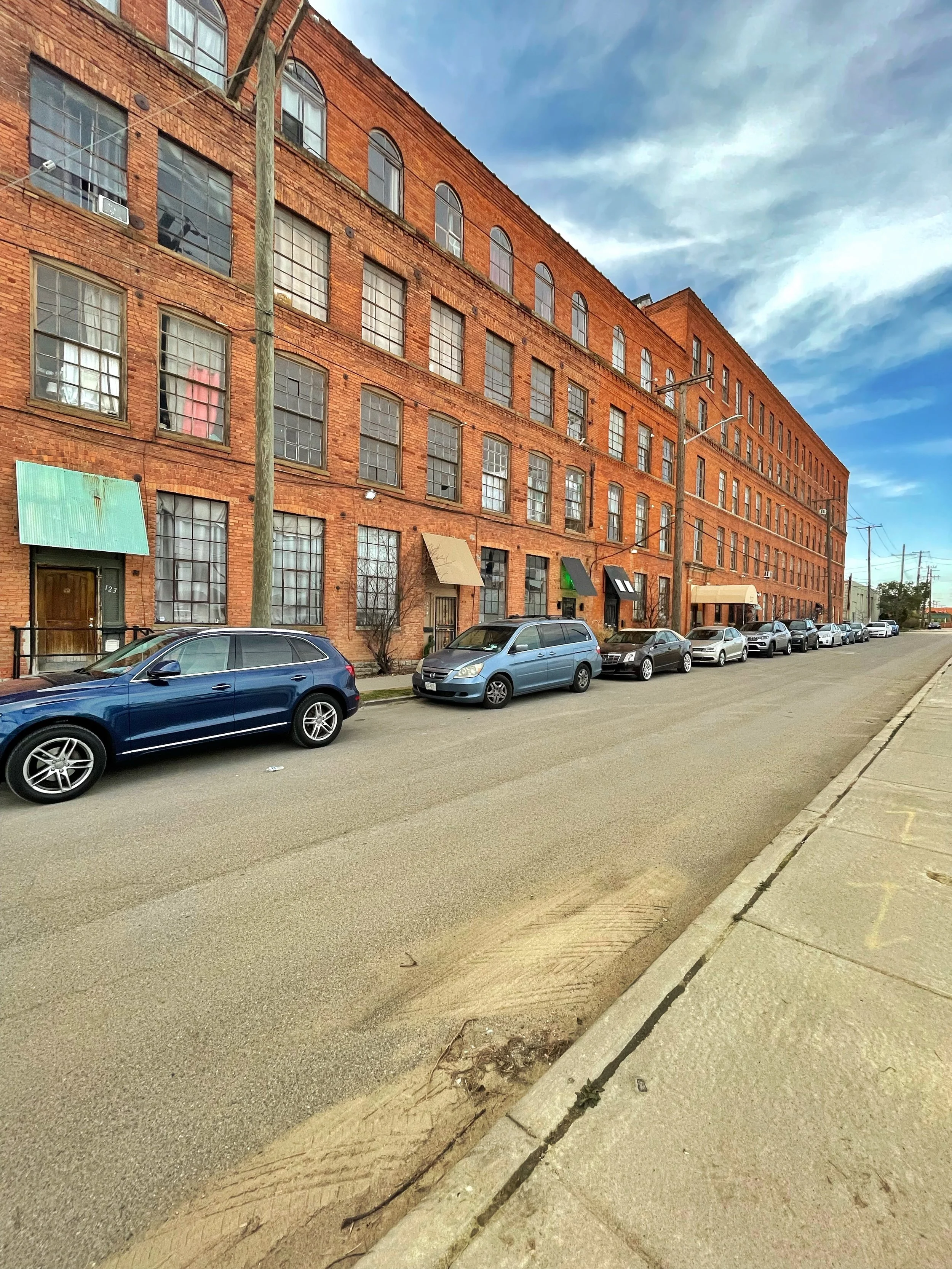
The building's design reflects the Victorian-era commercial architecture prevalent in Detroit during the late 1800's. It’s proximity to Greektown, a neighborhood known for its rich cultural heritage and historic significance, adds to the building's charm and appeal.
Greektown itself is one of Detroit's oldest neighborhoods, first developed by German Immigrants in the 1830's. By the early 1900s, Greek immigrants began to establish business in the area, leading to the neighborhood’s name. Over the decades, Greektown has evolved into a vibrant commercial and entertainment district, known for its historic architecture and cultural significance. the Greektown Historic District was listed on the National Register of Historic Places in 1982, recognizing its importance a surviving Victorian commercial streetscape in downtown Detroit.